Signs You May Need Knee Replacement Surgery
Knee arthritis can gradually affect mobility, comfort and quality of life. Many patients initially manage symptoms with physiotherapy, medications or injections, but over time these treatments may become less effective.
Patients across Teesside, Stockton-on-Tees, Darlington, Durham, Hartlepool and Carlisle increasingly seek specialist assessment when knee pain begins interfering with daily activities.
Understanding the early signs of knee arthritis and joint damage can help patients seek treatment before symptoms become severe.
Common Symptoms of Knee Arthritis
Knee arthritis often develops gradually.
Common symptoms include:
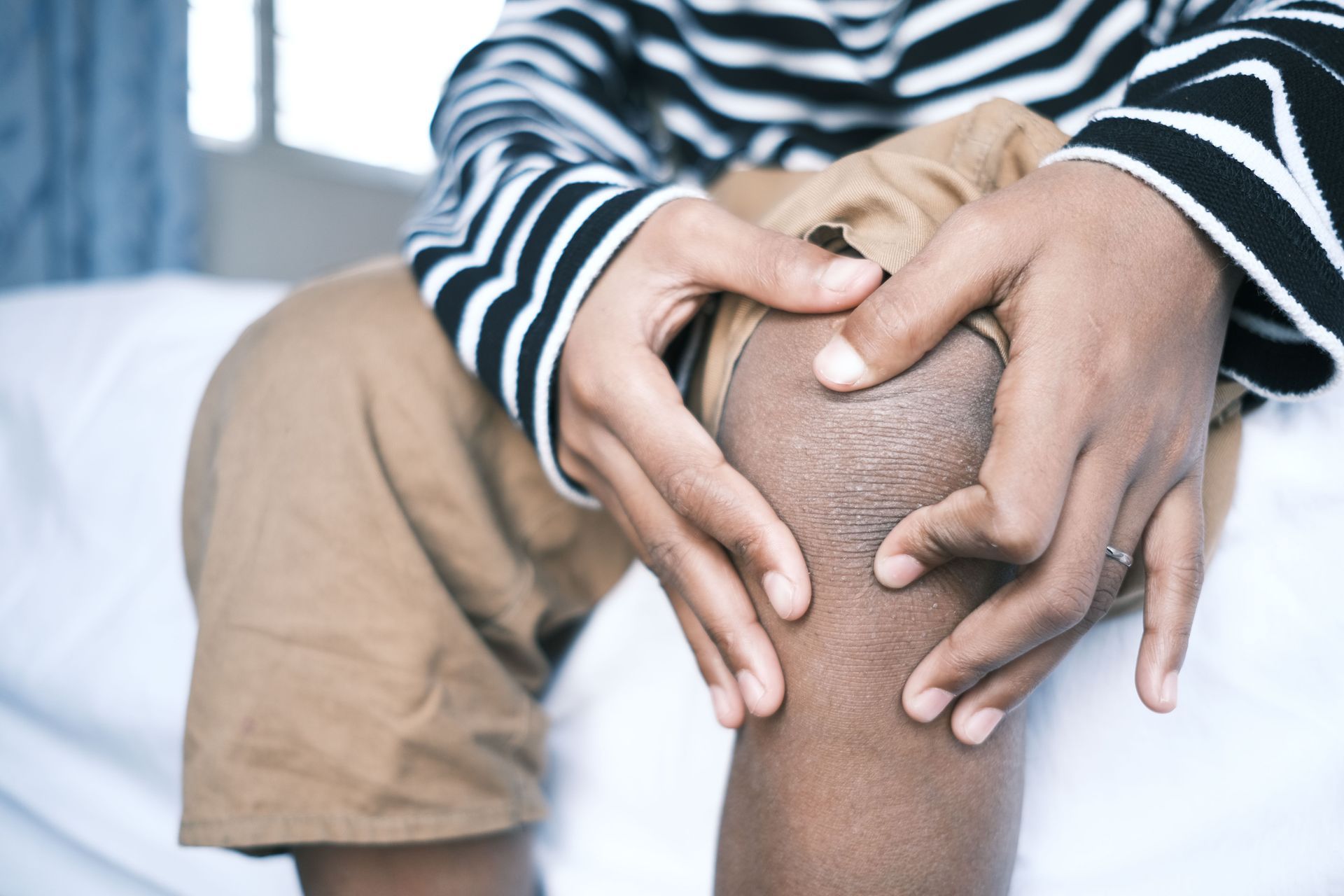
- Persistent knee pain
- Swelling
- Joint stiffness
- Difficulty walking
- Pain climbing stairs
- Reduced mobility
- Grinding or clicking sensations
- Knee pain at night
Many patients notice symptoms worsening after activity or prolonged periods of standing.
When Should You Consider Knee Replacement Surgery?
Not every patient with arthritis requires surgery immediately.
However, knee replacement may become appropriate when:
- Pain affects daily life
- Walking becomes difficult
- Sleep is disturbed by knee pain
- Physiotherapy no longer helps
- Medications provide limited relief
- Quality of life significantly declines
Modern knee replacement surgery can significantly improve mobility and reduce chronic pain for suitable patients.
Non-Surgical Treatments Before Surgery
Before considering surgery, many patients explore conservative treatment options including:
- Physiotherapy
- Weight management
- Anti-inflammatory medications
- Steroid injections
- Activity modification
- Strengthening exercises
These treatments may help reduce symptoms and delay surgery in some patients.
Modern Knee Replacement Techniques
Advances in orthopaedic surgery now allow more personalised treatment approaches.
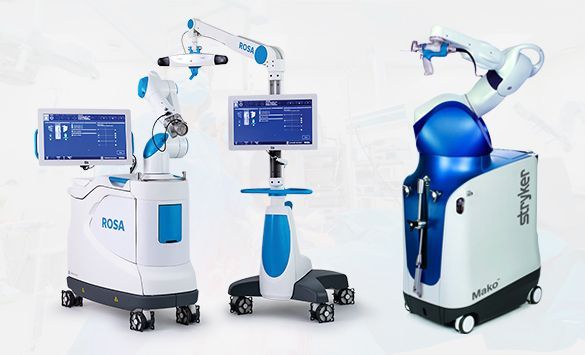
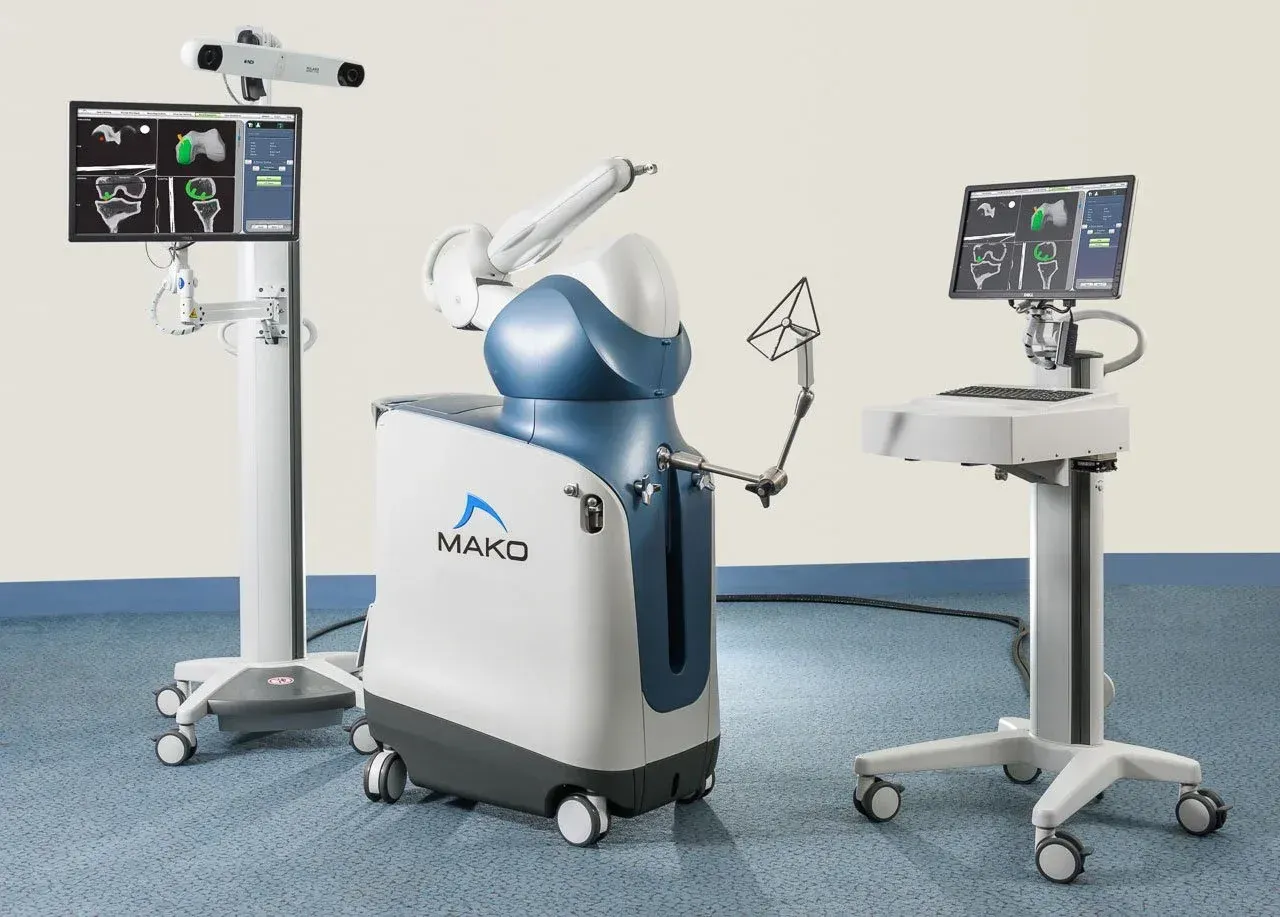
Robotic-assisted knee replacement technology may improve implant positioning and surgical precision for selected patients.
Enhanced recovery pathways and minimally invasive techniques also help many patients mobilise sooner after surgery.
Patients from Stockton-on-Tees, Hartlepool, Middlesbrough and surrounding North East areas increasingly seek modern robotic-assisted procedures.
Recovery After Knee Replacement
Recovery varies between individuals, but many patients are able to:
- Walk on the day of surgery
- Begin physiotherapy immediately
- Return home quickly
- Gradually return to normal activities within weeks
Some suitable patients may also be candidates for day-case joint replacement surgery.
Final Thoughts
Early specialist assessment can help determine the most appropriate treatment options for knee arthritis.
For patients across Teesside, Darlington and Durham experiencing ongoing knee pain, modern knee replacement surgery may provide significant improvements in mobility, independence and quality of life.