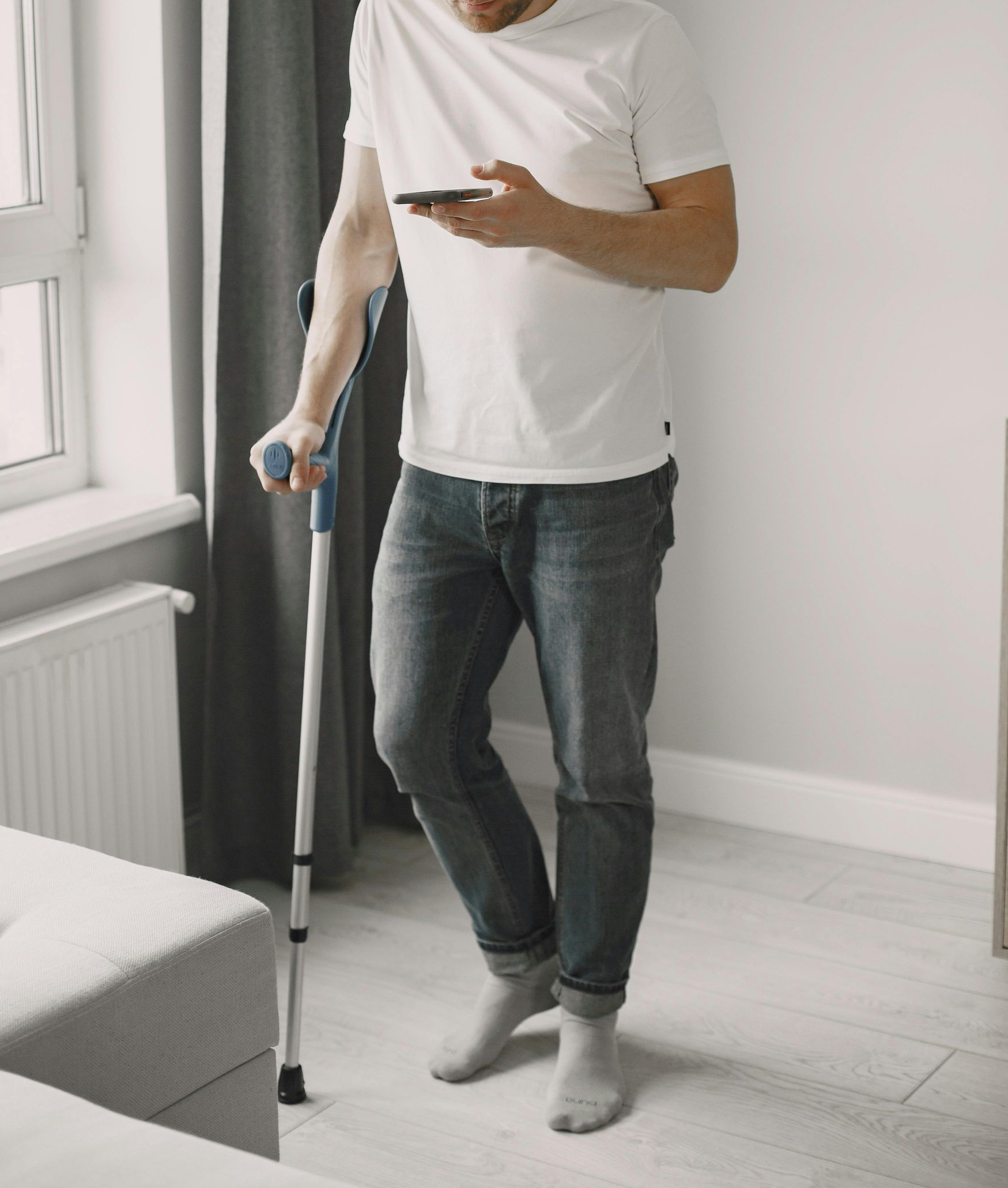
Knee Arthritis Treatment Options in Teesside: When Should You Consider Surgery?
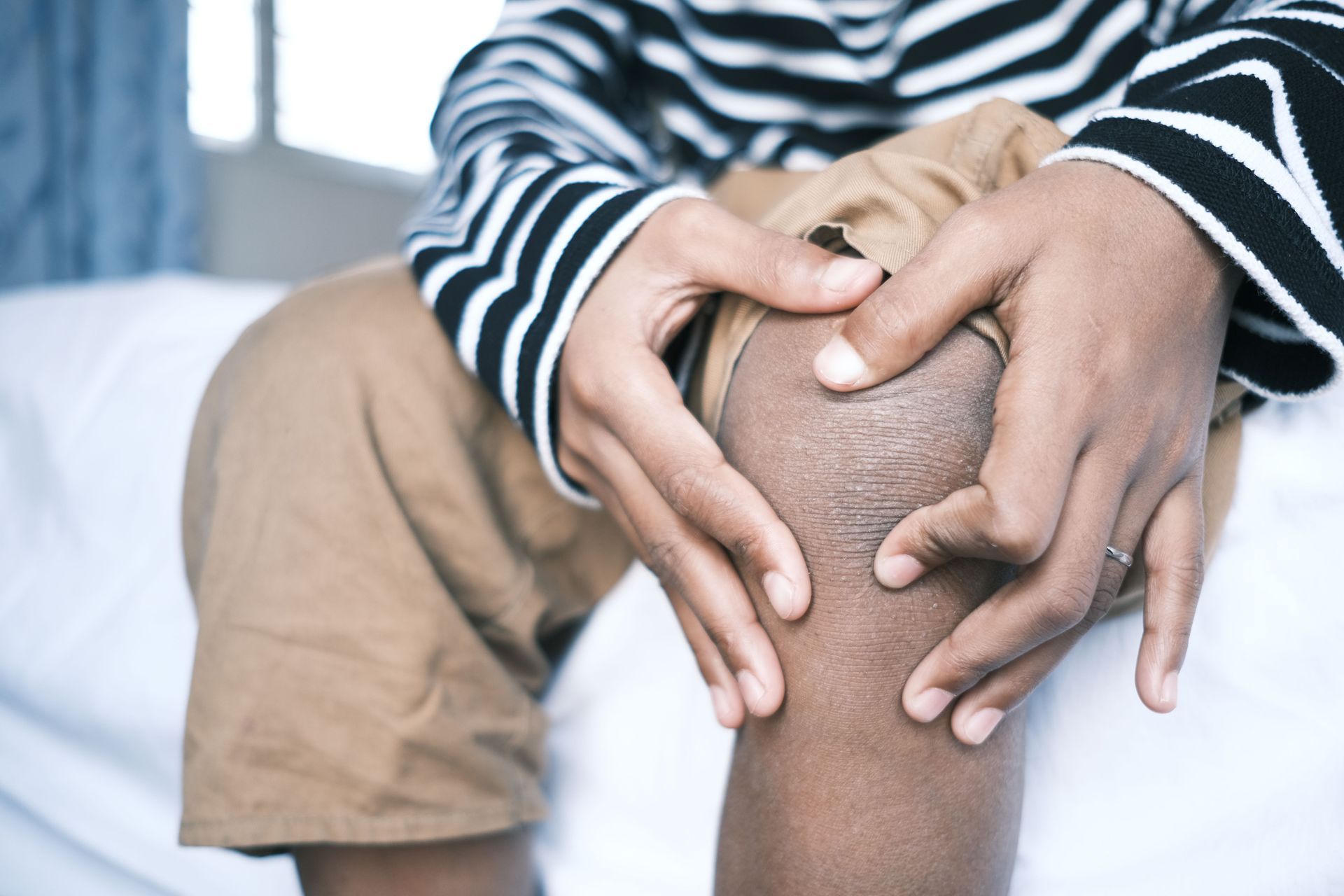
Knee arthritis is one of the most common causes of knee pain in adults and can have a significant impact on mobility, independence and quality of life.
Many patients across Teesside, Stockton-on-Tees and Darlington initially manage symptoms successfully with non-surgical treatments. However, as arthritis progresses, daily activities can become increasingly difficult.
Understanding the available treatment options can help patients make informed decisions about their care and recognise when surgery may become appropriate.
What Is Knee Arthritis?
Knee arthritis occurs when the cartilage that cushions the knee joint gradually wears away.
Without healthy cartilage, the bones within the joint can rub together, leading to:
- Pain
- Stiffness
- Swelling
- Reduced mobility
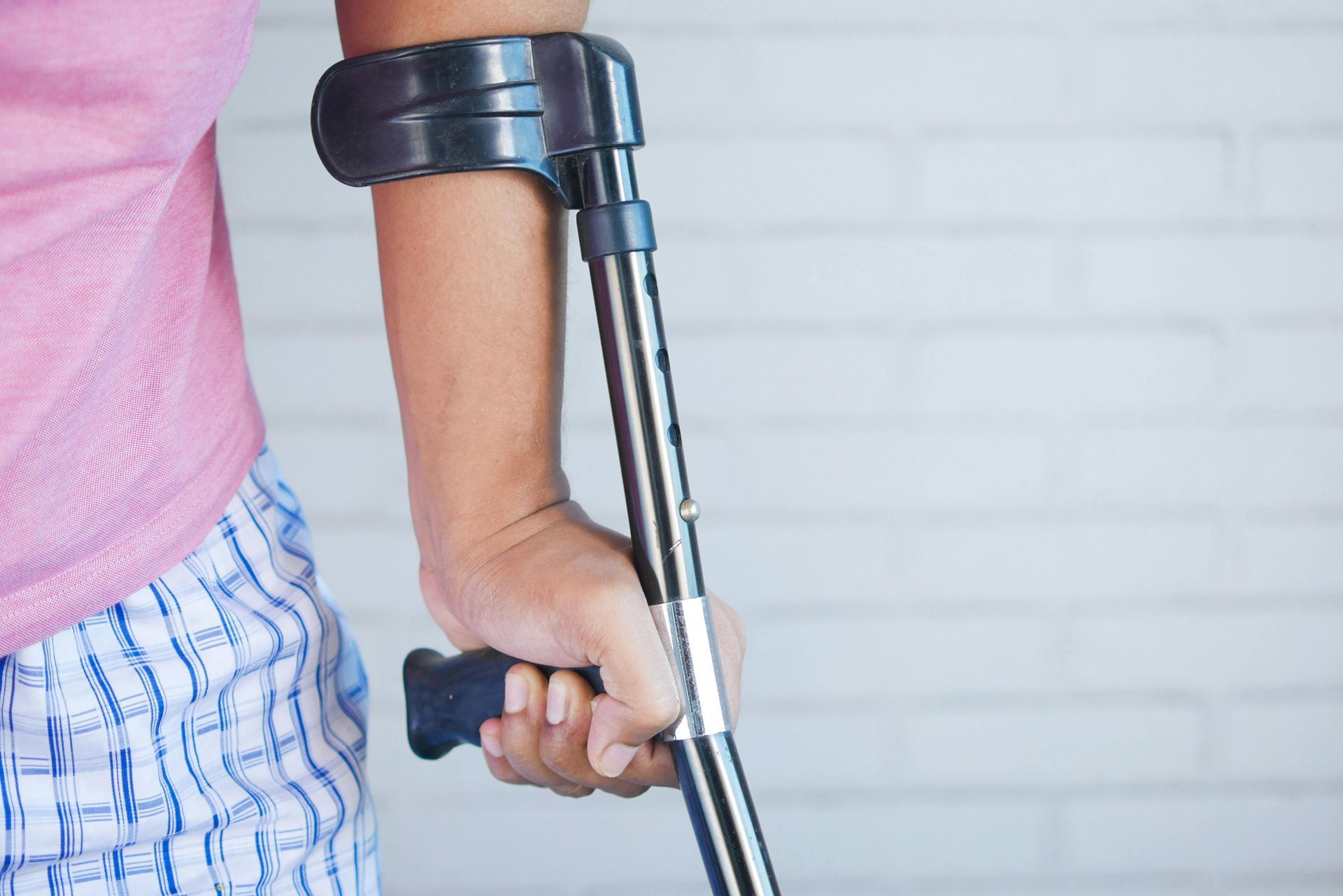
- Difficulty walking
- Loss of function
Osteoarthritis is the most common form of knee arthritis and often develops gradually over many years.
Common Symptoms of Knee Arthritis
Patients may experience:
- Pain during walking
- Stiffness after resting
- Swelling around the knee
- Difficulty climbing stairs
- Reduced flexibility
- Clicking or grinding sensations
- Pain affecting sleep
Symptoms often worsen over time if the arthritis progresses.
Non-Surgical Treatment Options
Many patients can achieve significant symptom relief without surgery.
Physiotherapy
A structured physiotherapy programme can improve muscle strength, joint stability and mobility.
Weight Management
Even modest weight loss can reduce pressure on the knee joint and improve symptoms.
Pain Relief Medication
Anti-inflammatory medications and pain relief may help manage flare-ups.
Knee Injections
Joint injections may provide temporary relief for some patients and can help delay surgery.
Activity Modification
Low-impact activities such as swimming, cycling and walking are often recommended.
When Should You Consider Knee Replacement Surgery?
Knee replacement surgery may be considered when:
- Pain becomes severe
- Walking is significantly limited
- Daily activities become difficult
- Sleep is regularly disturbed
- Non-surgical treatments no longer provide relief
The decision to proceed with surgery is based on symptoms, quality of life and clinical assessment rather than X-ray findings alone.
Modern Advances in Knee Replacement Surgery
Orthopaedic surgery continues to evolve with improvements in technology and recovery pathways.
Modern developments include:
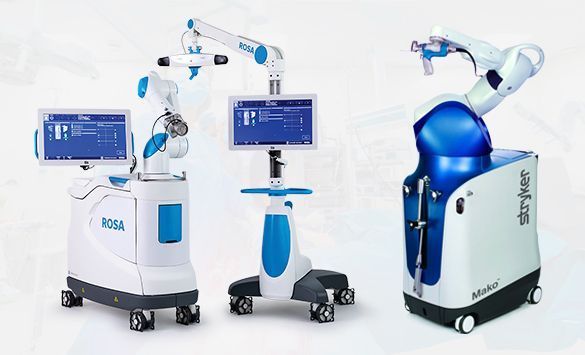
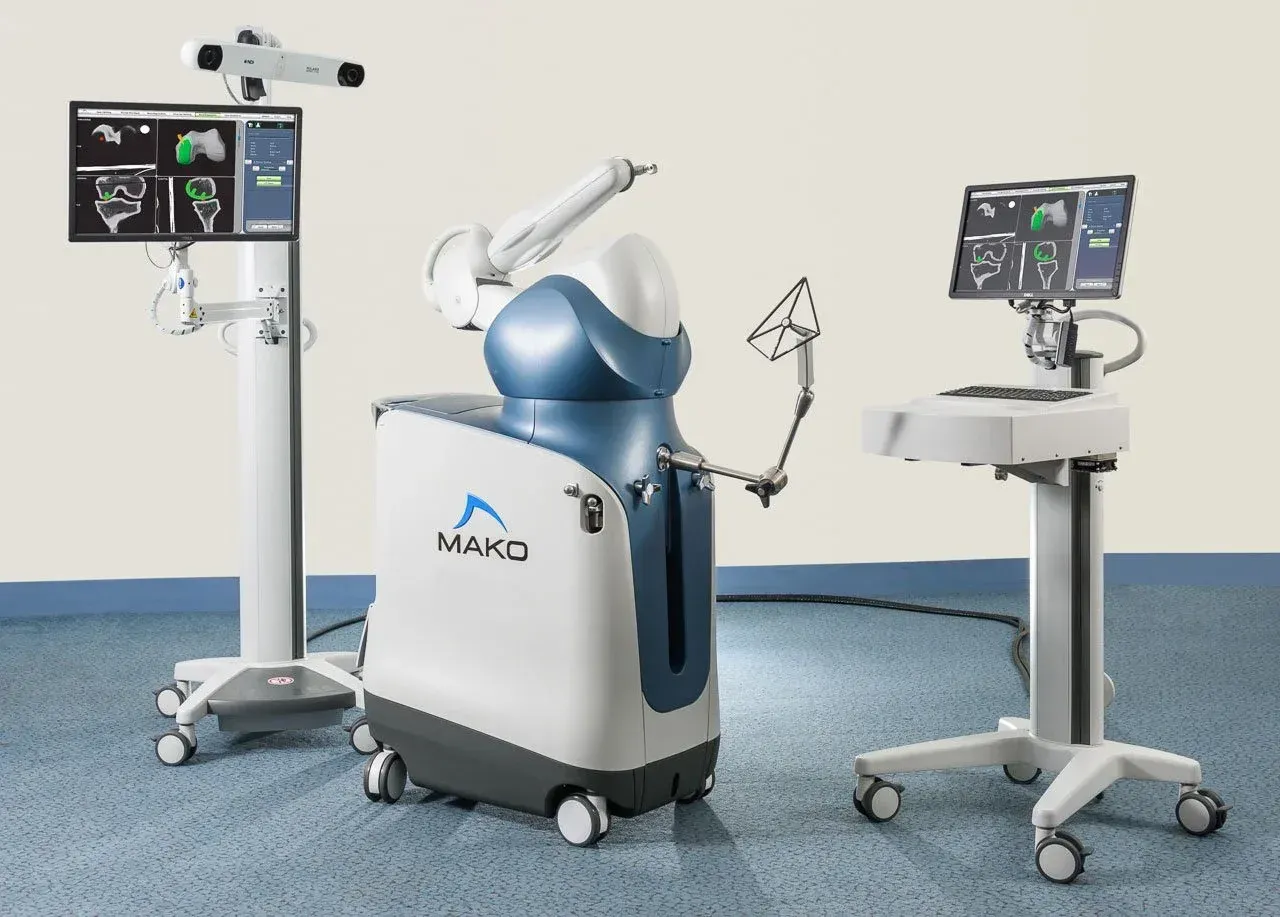
- Robotic-assisted knee replacement
- Enhanced recovery programmes
- Improved implant technology
- Personalised surgical planning
- Day-case joint replacement pathways for selected patients
These advances aim to improve precision, comfort and recovery.
What Recovery Looks Like
Most patients begin walking shortly after surgery with physiotherapy support.
Recovery generally involves:
- Early mobilisation
- Strengthening exercises
- Gradual return to activities
- Ongoing rehabilitation
Many patients experience substantial improvements in mobility, comfort and independence within the first few months following surgery.
Frequently Asked Questions
Can knee arthritis be cured without surgery?
Arthritis cannot be reversed, but symptoms can often be managed successfully with non-surgical treatments.
How do I know if I need a knee replacement?
If pain significantly affects your quality of life and conservative treatments are no longer effective, a specialist assessment may be appropriate.
Is robotic knee replacement available in Teesside?
Robotic-assisted knee replacement is an increasingly popular option for suitable patients and may offer greater surgical precision.
How long does knee replacement recovery take?
Most patients continue improving for several months after surgery, although many resume normal daily activities within weeks.
Final Thoughts
Knee arthritis can have a major impact on everyday life, but a wide range of treatment options are available.
For patients across Teesside, Stockton-on-Tees, Darlington, Durham and the wider North East, early assessment can help identify the most appropriate treatment pathway and improve long-term outcomes.
Whether symptoms are mild or severe, understanding your options is the first step towards maintaining mobility, reducing pain and improving quality of life.