Robotic Knee Replacement in Teesside: Is It Better Than Traditional Knee Replacement?
Knee replacement surgery is one of the most successful treatments for patients suffering from severe knee arthritis. As technology continues to advance, robotic-assisted knee replacement is becoming increasingly popular across Teesside and the wider North East.
Many patients ask whether robotic knee replacement is better than traditional knee replacement surgery and whether the technology offers significant advantages.
Understanding the differences can help patients make informed decisions about their treatment options.
What Is Robotic Knee Replacement?
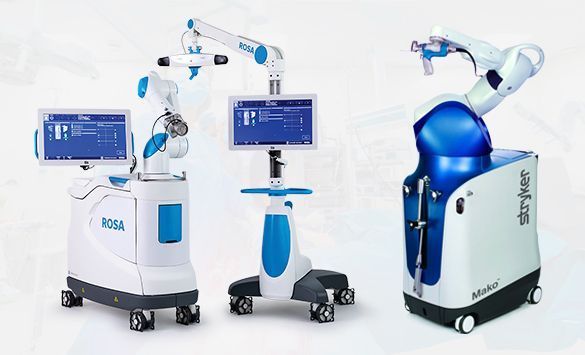
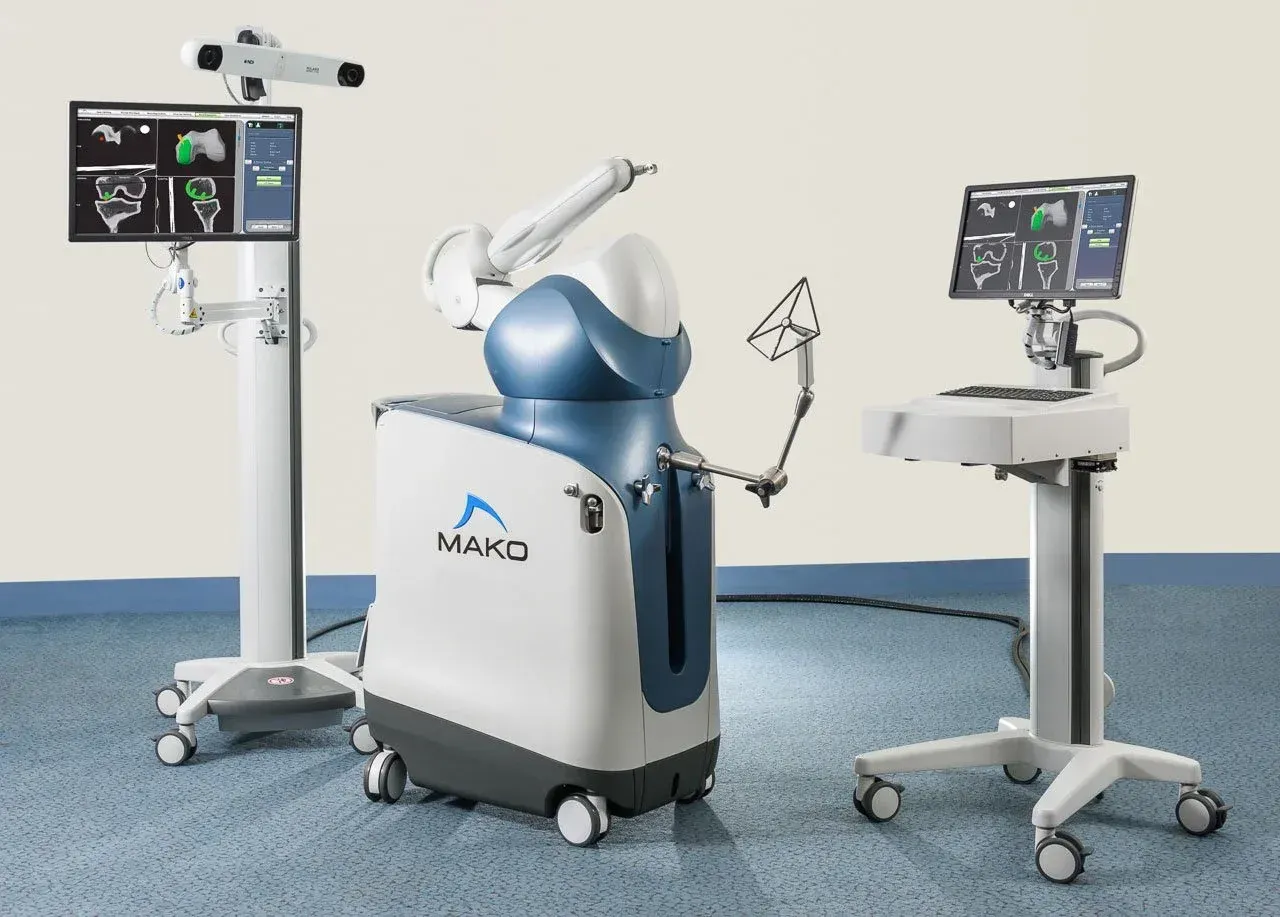
Robotic knee replacement uses advanced computer-assisted technology to help the surgeon plan and perform the procedure with a high degree of precision.
Before surgery, detailed imaging allows the surgeon to create a personalised surgical plan based on the patient's individual anatomy.
During the operation, robotic technology assists the surgeon with implant positioning and alignment while maintaining complete surgeon control throughout the procedure.
The robotic system does not perform the surgery independently. It is a tool used by the surgeon to enhance precision and planning.
Traditional Knee Replacement Surgery
Traditional knee replacement remains a highly successful and effective procedure for treating advanced arthritis.
During conventional surgery, the surgeon uses specialised instruments and clinical expertise to remove damaged joint surfaces and position the replacement components.
Millions of patients worldwide have benefited from traditional knee replacement surgery with excellent long-term outcomes.
Potential Benefits of Robotic-Assisted Surgery
Robotic technology may offer several potential advantages for selected patients.
These may include:
- More precise implant positioning
- Improved joint alignment
- Better soft tissue balancing
- Greater surgical consistency
- Improved personalised planning
- Enhanced accuracy during surgery
The aim is to create a knee that feels stable, comfortable and functions as naturally as possible.
Does Robotic Surgery Mean Faster Recovery?
Recovery depends on many factors, including:
- Overall health
- Severity of arthritis
- Fitness before surgery
- Rehabilitation commitment
- Surgical technique
While some studies suggest robotic-assisted surgery may contribute to improved early recovery for certain patients, individual outcomes can vary.
Modern enhanced recovery programmes remain one of the most important factors in achieving successful results.
Who Might Benefit From Robotic Knee Replacement?
Robotic-assisted surgery may be considered for patients experiencing:
- Severe knee arthritis
- Persistent knee pain
- Reduced mobility
- Difficulty walking
- Pain affecting sleep
- Failure of non-surgical treatments
A specialist assessment can help determine the most appropriate treatment approach.
Recovery After Robotic Knee Replacement
Most patients begin mobilising shortly after surgery.
Recovery typically includes:
- Early walking
- Physiotherapy exercises
- Strength rehabilitation
- Gradual return to daily activities
Many patients notice improvements in pain, mobility and overall quality of life during the weeks and months following surgery.
Selected patients may also be suitable for modern day-case knee replacement pathways.
Why Patients Across Teesside Seek Modern Knee Replacement Options
Patients from Stockton-on-Tees, Darlington, Middlesbrough, Hartlepool and surrounding areas increasingly seek information about robotic-assisted knee replacement surgery.
As awareness of modern orthopaedic technology grows, many patients are interested in understanding how robotic assistance may contribute to surgical precision and recovery.
Frequently Asked Questions
Is robotic knee replacement safer than traditional surgery?
Both robotic-assisted and traditional knee replacement are well-established procedures. Suitability depends on individual circumstances and should be discussed during consultation.
Does the robot perform the operation?
No. The surgeon performs the operation. The robotic system provides planning and guidance throughout the procedure.
How long does recovery take?
Recovery varies between patients, but many individuals continue improving for several months after surgery.
Can I return to normal activities after surgery?
Most patients return to walking, travel, gardening, golf and other low-impact activities following successful recovery.
Final Thoughts
Robotic-assisted knee replacement represents an exciting development in modern orthopaedic surgery. For suitable patients across Teesside and the North East, the technology may help improve surgical precision and support successful outcomes.
Patients experiencing ongoing knee pain or arthritis symptoms should seek specialist advice to explore the most appropriate treatment options available.