How Long Does Knee Replacement Recovery Take?
One of the most common questions patients ask before undergoing knee replacement surgery is, "How long will recovery take?"
Although every patient's recovery is different, understanding the typical recovery timeline can help reduce anxiety and allow patients to prepare for surgery with realistic expectations.
Patients across Teesside, Stockton-on-Tees, Darlington and the wider North East are increasingly benefiting from modern surgical techniques and enhanced recovery programmes that support earlier mobilisation and a quicker return to everyday activities.
What Happens Immediately After Knee Replacement Surgery?
Following surgery, patients are encouraged to begin moving as soon as it is safe to do so.
In most cases, physiotherapy starts on the day of surgery or the following morning.
Early mobilisation helps to:
- Improve circulation
- Reduce the risk of blood clots
- Restore joint movement
- Build confidence when walking
- Support a smoother recovery
Selected patients may even be suitable for day-case knee replacement surgery, allowing them to return home on the same day.
Recovery During the First Two Weeks
The first two weeks focus on controlling pain, reducing swelling and gradually increasing mobility.
Patients are encouraged to:
- Walk short distances regularly
- Complete prescribed physiotherapy exercises
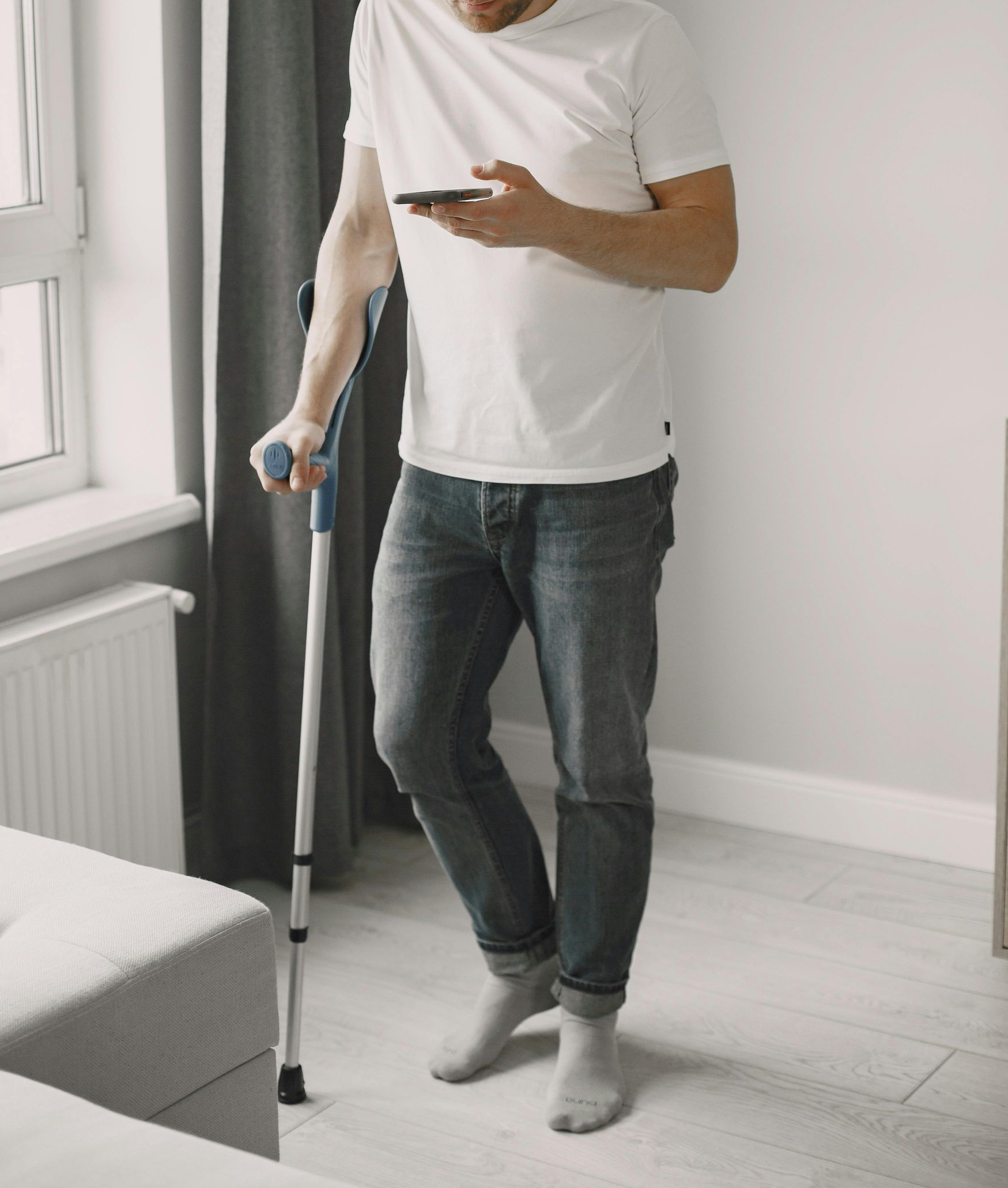
- Use walking aids if required
- Keep the knee moving throughout the day
- Rest between activities
It is normal to experience some swelling, stiffness and discomfort during this period.
Recovery Between Two and Six Weeks
During the following month, many patients notice steady improvements.
Common milestones include:
- Walking longer distances
- Improved knee movement
- Less reliance on walking aids
- Better sleep
- Increased confidence with everyday activities
Many patients are able to resume light household activities and short outings during this stage of recovery.
Recovery After Three Months
By three months, most patients experience significant improvements in pain and function.
Many people return to activities such as:
- Walking for exercise
- Gardening
- Travelling
- Golf
- Low-impact gym exercises
- Spending more time with family and friends
Recovery continues beyond three months, with improvements often seen for up to a year after surgery.
What Can Help You Recover Faster?
Every patient's recovery is unique, but several factors can support a successful outcome.
Helpful tips include:
- Following your physiotherapy programme
- Staying active without overdoing it
- Managing swelling with elevation and ice when advised
- Eating a healthy, balanced diet
- Maintaining a healthy body weight
- Attending follow-up appointments
- Asking for advice if you have concerns during recovery
Modern Approaches to Knee Replacement
Orthopaedic surgery has advanced considerably over recent years.
Many patients now benefit from:
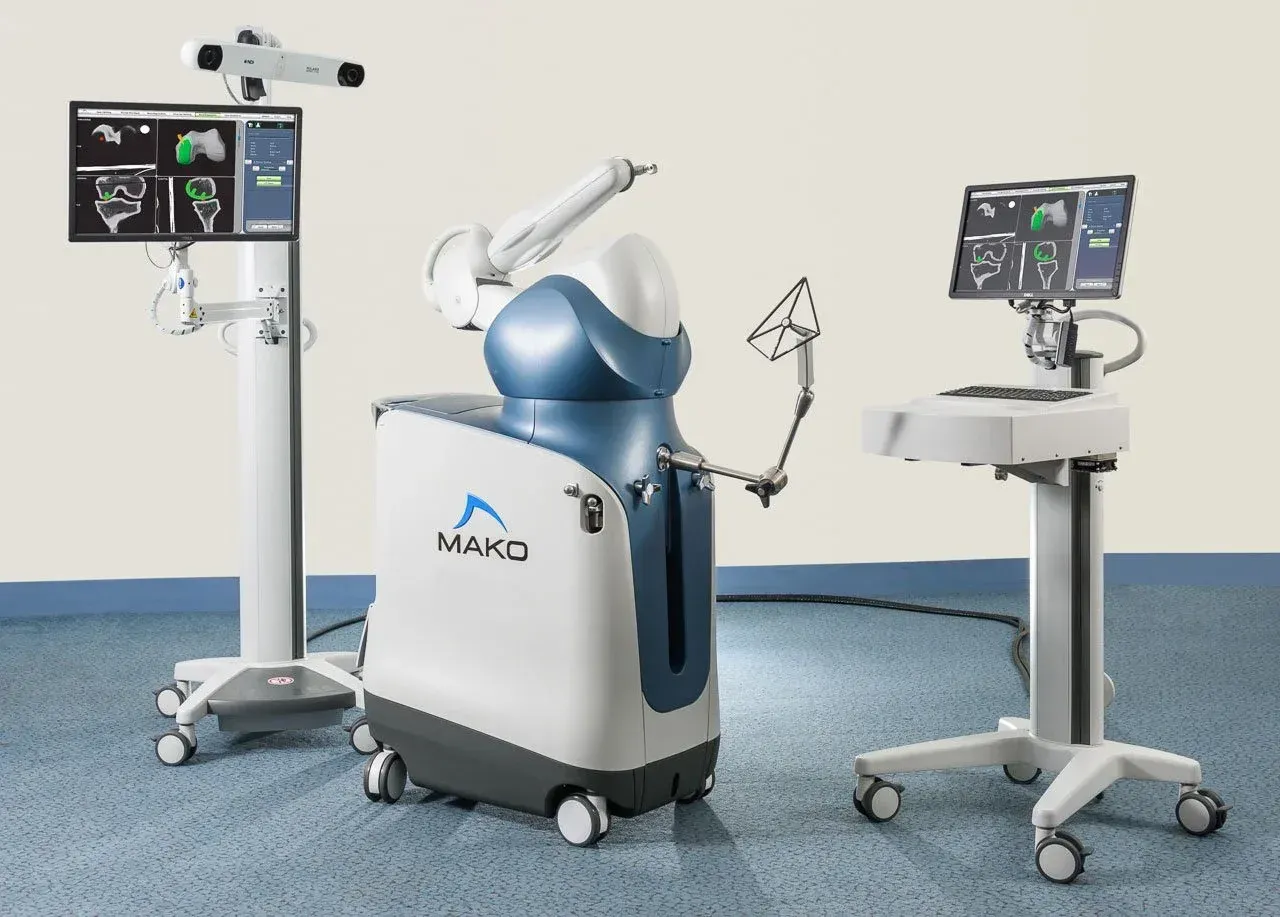
- Robotic-assisted knee replacement
- Personalised surgical planning
- Enhanced recovery programmes
- Modern pain management techniques
- Earlier mobilisation after surgery
These developments aim to improve patient experience and support a safe recovery.
Frequently Asked Questions
When can I walk after knee replacement surgery?
Most patients begin walking with physiotherapy support on the day of surgery or the following day, depending on their individual circumstances.
How long will I need physiotherapy?
Physiotherapy usually continues for several weeks after surgery, although the exact duration varies between patients.
When can I drive again?
The timing depends on which knee has been replaced, your recovery progress and whether you can safely perform an emergency stop. Your surgeon will advise you when it is appropriate to return to driving.
Will my new knee feel completely normal?
Most patients experience a significant improvement in pain and function. However, it is normal for the knee to feel different from a natural joint, particularly during the early stages of recovery.
Final Thoughts
Recovering from knee replacement surgery is a gradual process, but modern surgical techniques and rehabilitation programmes allow many patients to return to an active and independent lifestyle.
For patients across Teesside, Stockton-on-Tees, Darlington, Durham and the wider North East, understanding the recovery journey can help build confidence and ensure realistic expectations before surgery.
If knee arthritis is limiting your mobility or affecting your quality of life, seeking specialist advice is the first step towards exploring the most appropriate treatment options.