Can You Avoid Knee Replacement Surgery in Teesside?
Many patients experiencing knee arthritis wonder whether knee replacement surgery can be avoided or delayed.
For patients across Teesside and the wider North east England, early treatment and lifestyle changes may help reduce symptoms and improve mobility before surgery becomes necessary.
Knee arthritis is a common condition that can gradually affect walking, exercise, sleep and overall quality of life. Understanding the available treatment options may help patients manage symptoms more effectively.
What Causes Knee Arthritis?
Knee arthritis develops when the cartilage within the knee joint gradually wears down over time.
Common causes include:
- Osteoarthritis
- Previous knee injuries
- Age-related joint degeneration
- Excess body weight
- Inflammatory joint conditions
- Previous sports injuries
Patients often experience:
- Knee pain
- Stiffness
- Swelling
- Reduced mobility
- Difficulty climbing stairs
- Pain during walking or exercise
Non-Surgical Treatments for Knee Arthritis
Many patients can initially manage symptoms without surgery.
Common non-surgical treatment options include:
Physiotherapy
Strengthening exercises may improve muscle support around the knee joint and reduce pain.
Weight Management
Reducing excess weight can significantly decrease pressure on the knee joint.
Pain Relief Medication
Anti-inflammatory medications may help control pain and swelling for some patients.
Knee Injections
Steroid or other joint injections may provide temporary symptom relief.
Activity Modification
Low-impact activities such as cycling, swimming and walking are often easier on arthritic joints.
When Does Knee Replacement Become Necessary?
Surgery may become appropriate when:
- Pain affects everyday life
- Walking becomes difficult
- Sleep is disturbed by pain
- Mobility continues declining
- Conservative treatments no longer help
Modern knee replacement surgery can significantly improve mobility and quality of life for suitable patients.
Patients from Stockton-on-Tees, Darlington and surrounding North East areas increasingly explore robotic-assisted knee replacement options when symptoms become severe.
Modern Advances in Knee Replacement Surgery
Advances in orthopaedic surgery now allow more personalised treatment approaches.
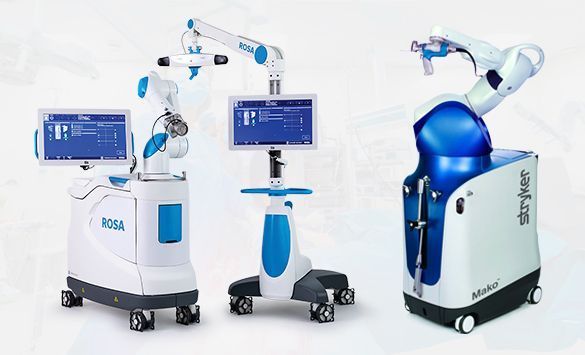
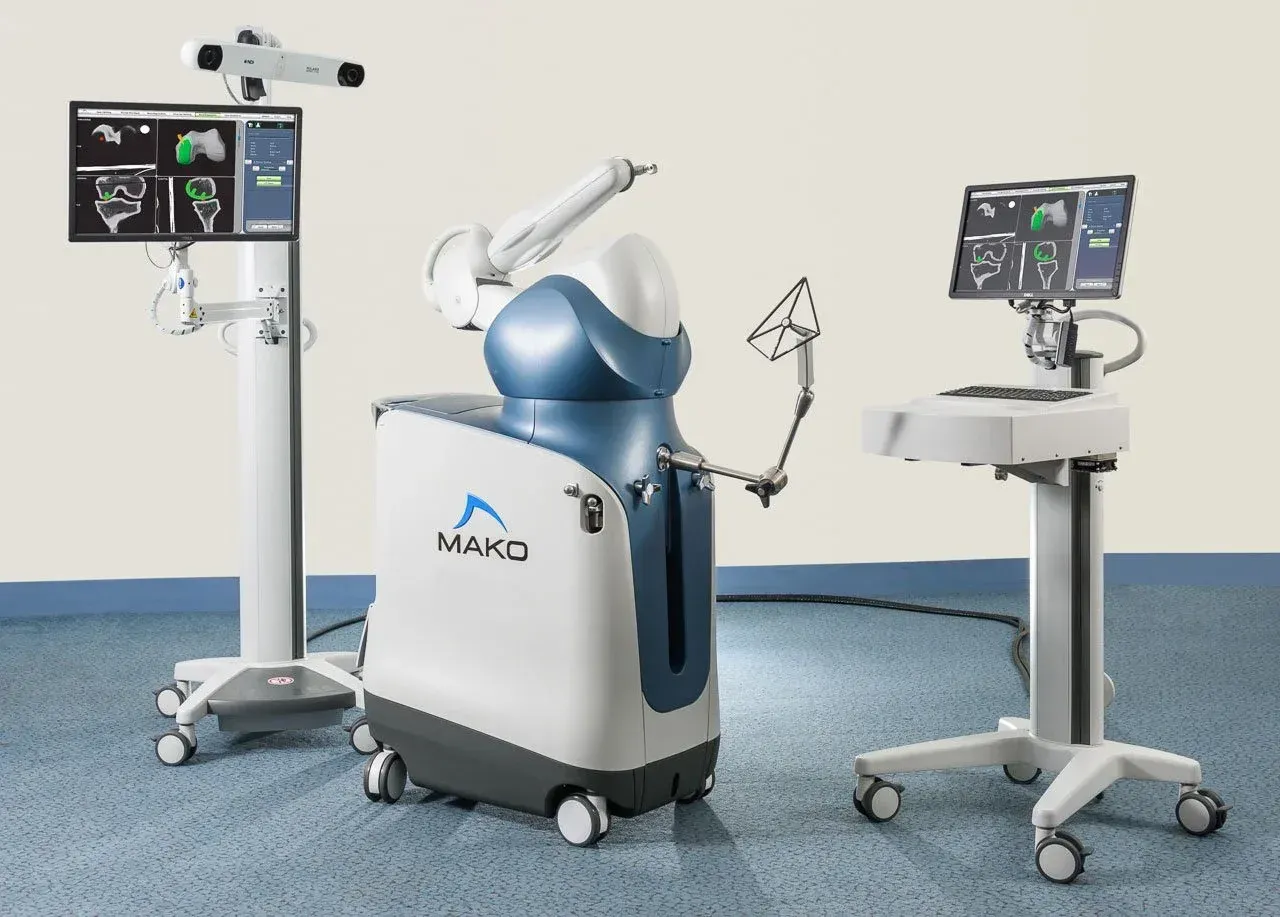
Robotic-assisted knee replacement technology may improve surgical planning, implant positioning and alignment for selected patients.
Enhanced recovery pathways also help many patients mobilise earlier following surgery.
Final Thoughts
Although surgery may eventually become necessary for some patients, many people can successfully manage knee arthritis symptoms for years with appropriate treatment and lifestyle changes.
For patients across Teesside experiencing ongoing knee pain, early specialist assessment can help determine the most appropriate treatment pathway.